Onshore Wind
Our wind projects work toward building a clean energy future for Australia's communities.
Onshore wind is an important part of the energy transition and Australia possesses strong potential for onshore wind thanks to its vast open space and strong wind resource. This mature technology uses wind energy to generate electricity through wind turbines, with large blades which rotate and drive the generator.
EDF Australia is developing onshore wind projects in the eastern states of Australia. We work with local communities, businesses and councils to ensure our projects are developed in the most respectful way possible and bring benefits to local stakeholders and to Australian electricity consumers through supporting reliable and cost-efficient electricity.
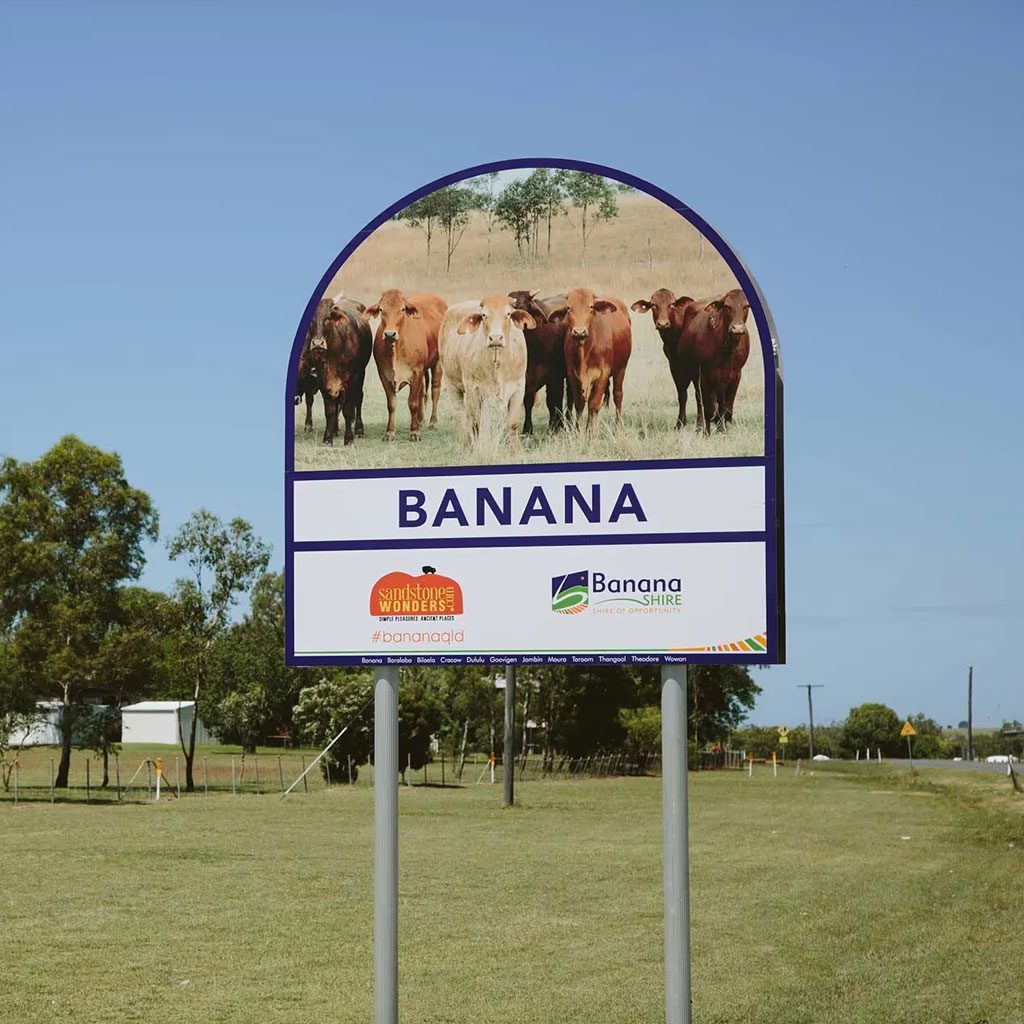
The Banana Range Wind Farm is located in Queensland, Australia, within the Banana Shire Council in Central Queensland. It has a total capacity of 228 MW.
Currently in late-stage development, the project has received planning approvals from both the then named Queensland Department of State Development, Manufacturing, Infrastructure and Planning (DSDMIP) and the then named Federal Department of the Environment and Energy (DoEE).
The Balala Wind Farm is located around 10 km west of Uralla in New South Wales.
Studies are underway to understand potential impacts, opportunities and constraints to inform whether the project progresses.
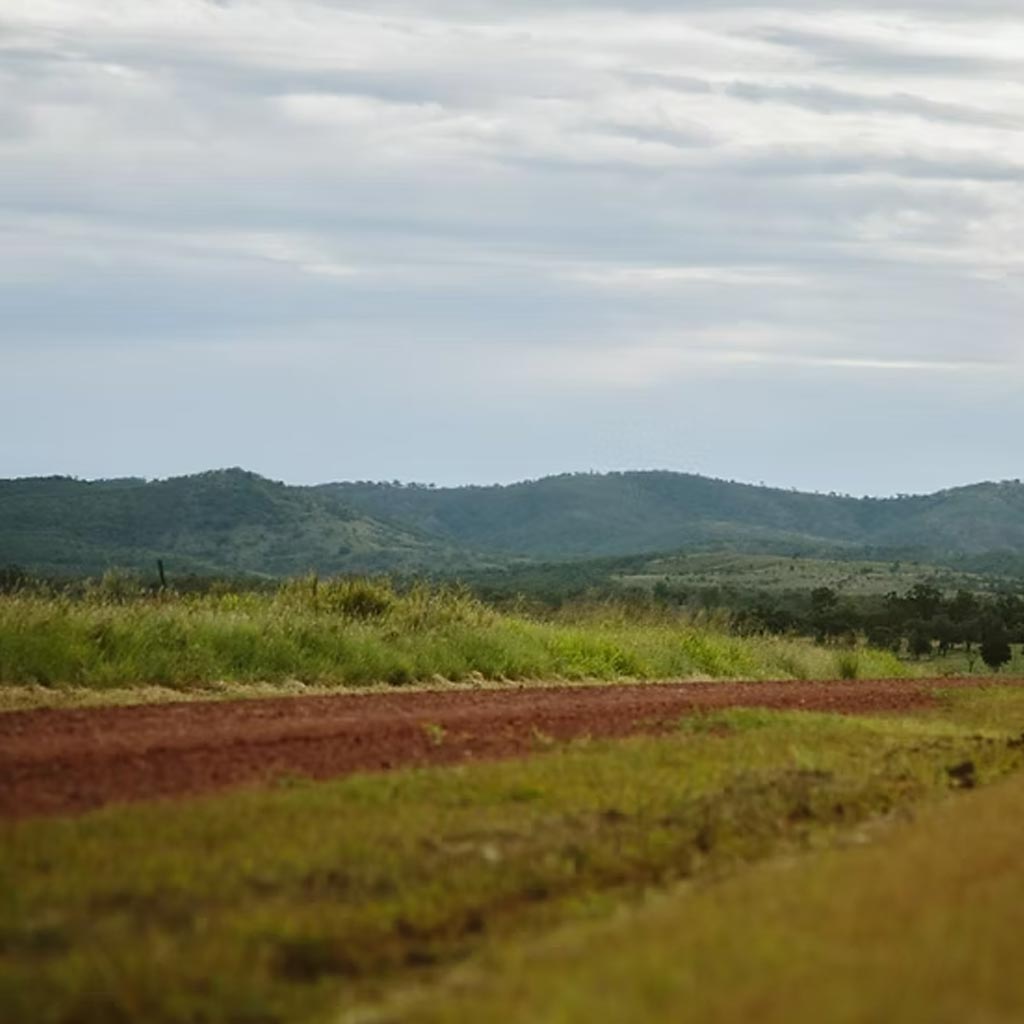
The Dawson Wind Farm is located in the heart of Central Queensland, within Banana Shire Council, approximately 20 km west of the town of Biloela and 120 km south-west of Gladstone.
The initial layout includes up to 75 wind turbines with a total capacity of 600 MW and a 500 MW - 1000 MWh Battery Energy Storage System (BESS).
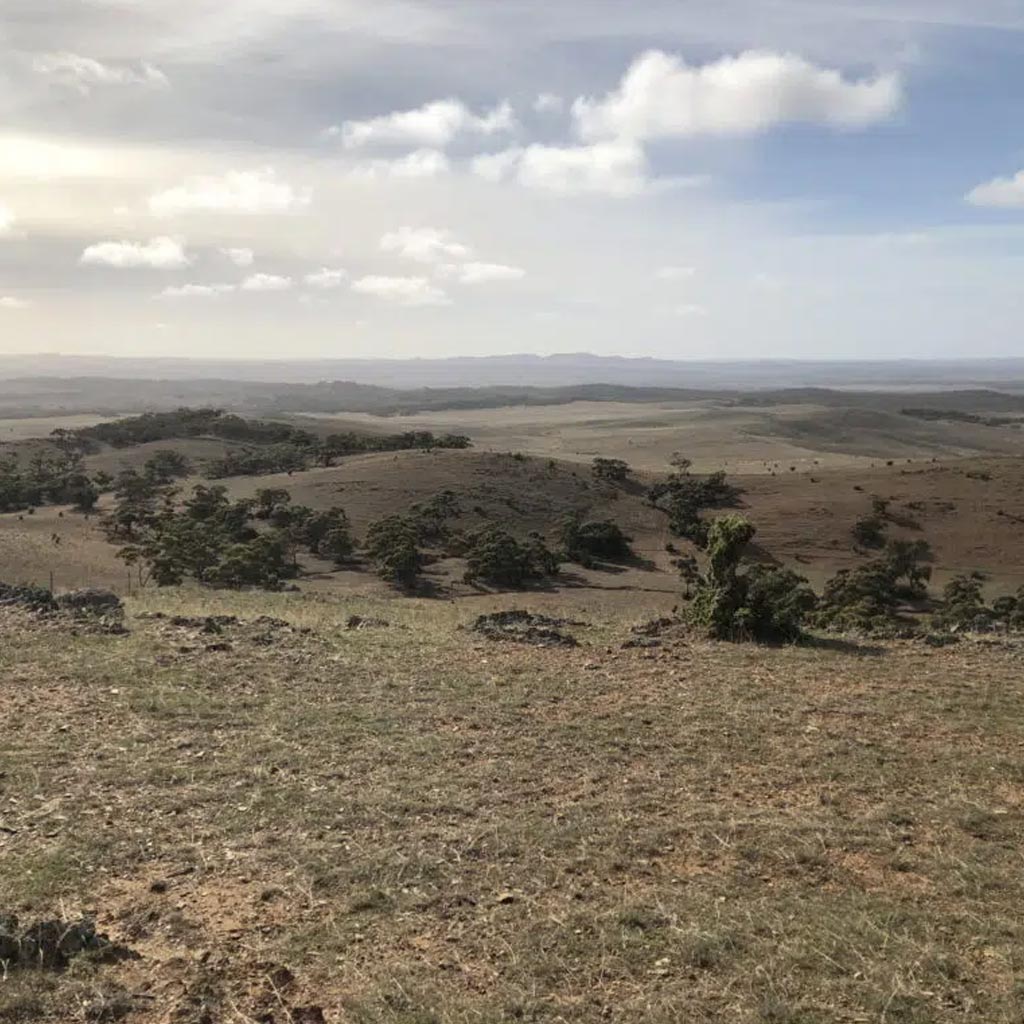
The wind farm project is located approximately 180 km north of Adelaide, South Australia, with a total capacity of 288.6 MW. The project is currently in the development phase. The project site has been chosen due to its high wind resource and location near existing transmission infrastructure.
Following recently feasibility studies, the project team has now submitted an application for a Renewable Energy Infrastructure Licence (REIL) under the Hydrogen and Renewable Energy Act 2023.
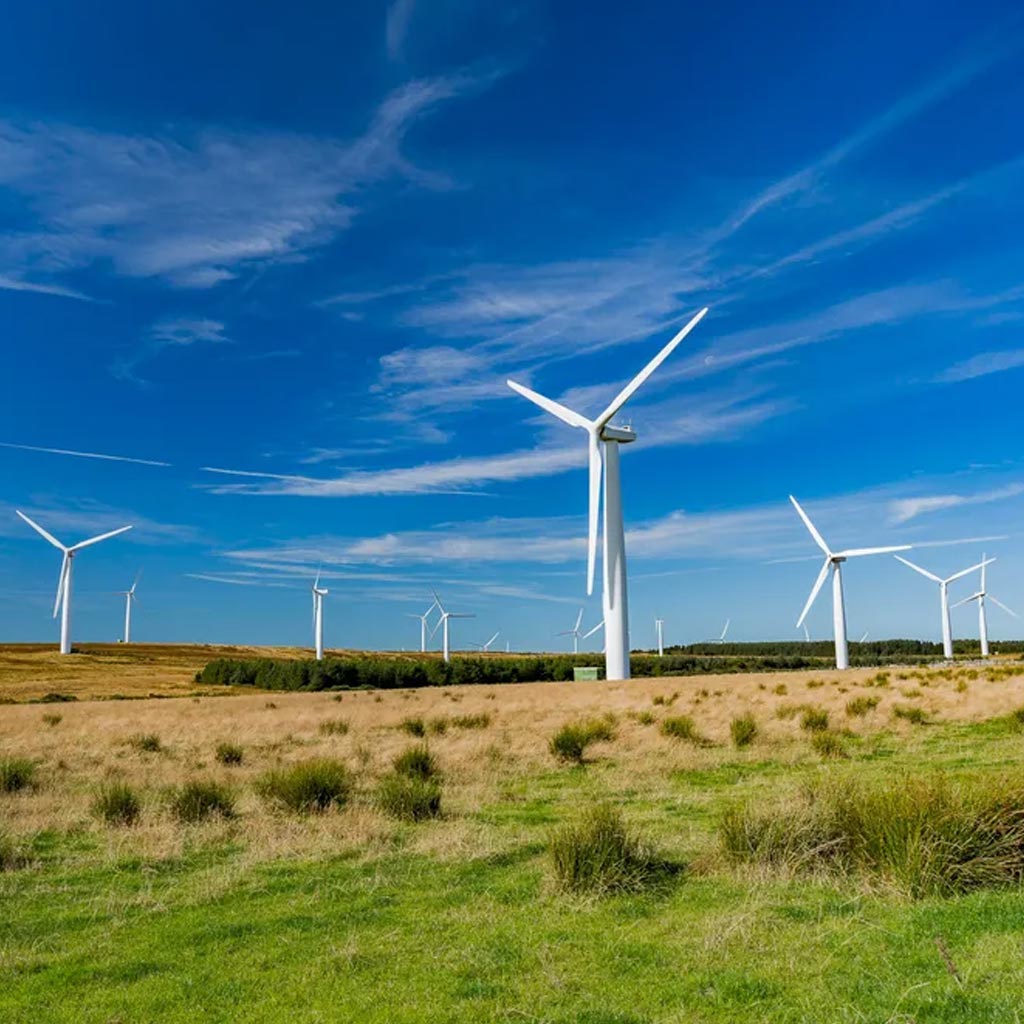
The wind farm, located approximately 32 km west of Armidale, NSW, is situated on private farmland near Yarrowyck, bounded by Thunderbolts Way, Bundarra Road, and Boorolong Road.
The site was chosen for its optimal wind conditions, proximity to the electrical grid, significant distances from nearby dwellings, and avoidance of biophysical strategic agricultural land (BISAL). The project is in the early planning stage.
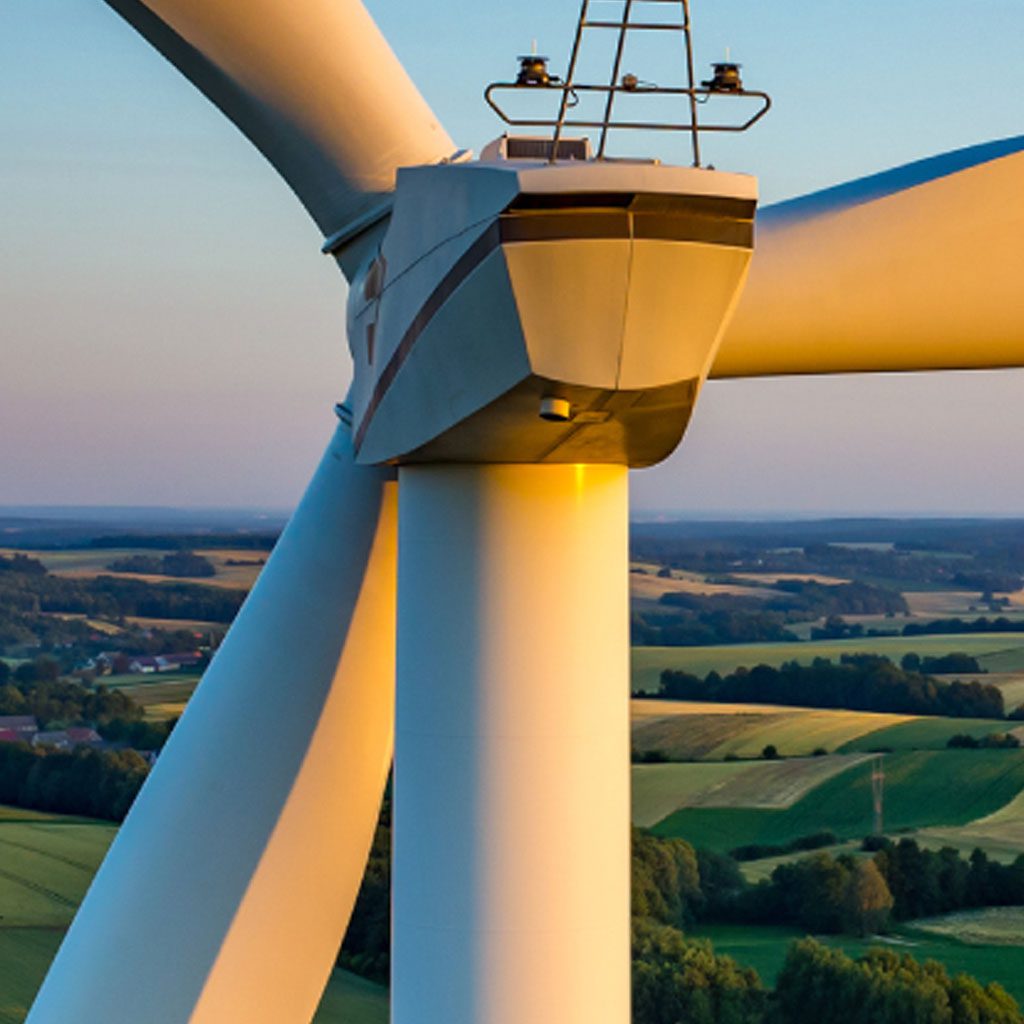
The Cypress 1 and 2 Wind Projects, with a combined capacity of 247 MW, are located in Cypress County, Alberta, within the Traditional Territory of the Blood Tribe.
Developed by EDF in partnership with the Blood Tribe and Desjardins Group, the projects emphasize environmental sustainability and community engagement, with the Blood Tribe holding a 25% ownership stake and benefiting from economic opportunities. Despite challenges such as the COVID-19 pandemic, construction created over 250 jobs and adhered to government milestones, showcasing EDF’s adaptability and commitment to regulatory compliance.
Successfully navigating planning and environmental approvals, EDF collaborated with local stakeholders and Indigenous communities to ensure long-term benefits. With operations planned for up to 40 years followed by environmentally responsible decommissioning, the projects highlight EDF’s leadership in sustainable, inclusive energy development.
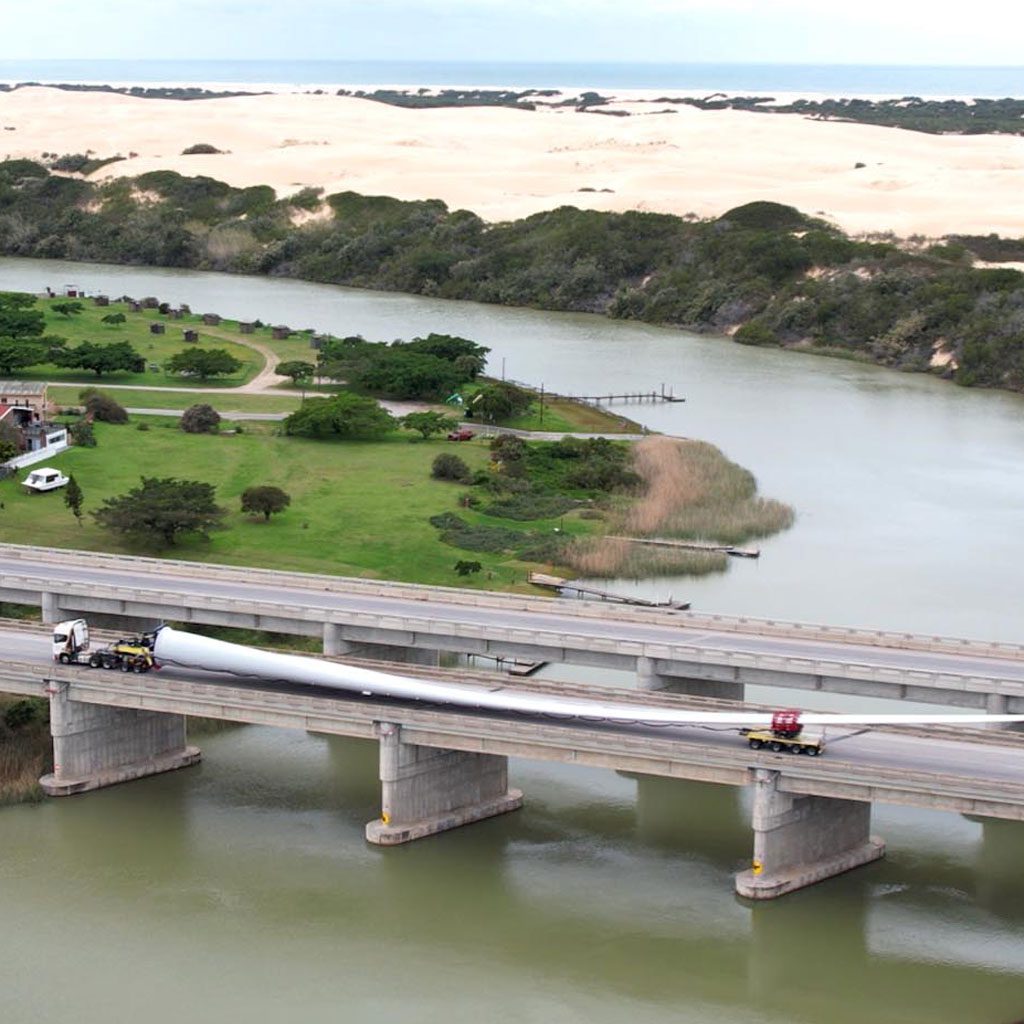
The Koruson Wind Cluster in South Africa comprises three wind projects totaling 420 MW, spanning the Eastern and Northern Cape provinces. Developed by EDF, the projects required navigating complex permitting processes, collaboration with local governments and landowners.
EDF overcame challenging terrain using innovative construction methods while meeting strict local economic development targets, including job creation, Black Management Control, and mandatory local content.
Koruson achieved milestones such as self-building substations and transmission stations, unlocking renewable energy potential through shared grid solutions. Knowledge from Koruson is set to benefit future phases like Koruson 2 (520 MW), developed with Anglo American as a partner.
This project exemplifies EDF’s expertise in delivering innovative, complex renewable energy projects while fostering local community benefits and leveraging global industrial partnerships.
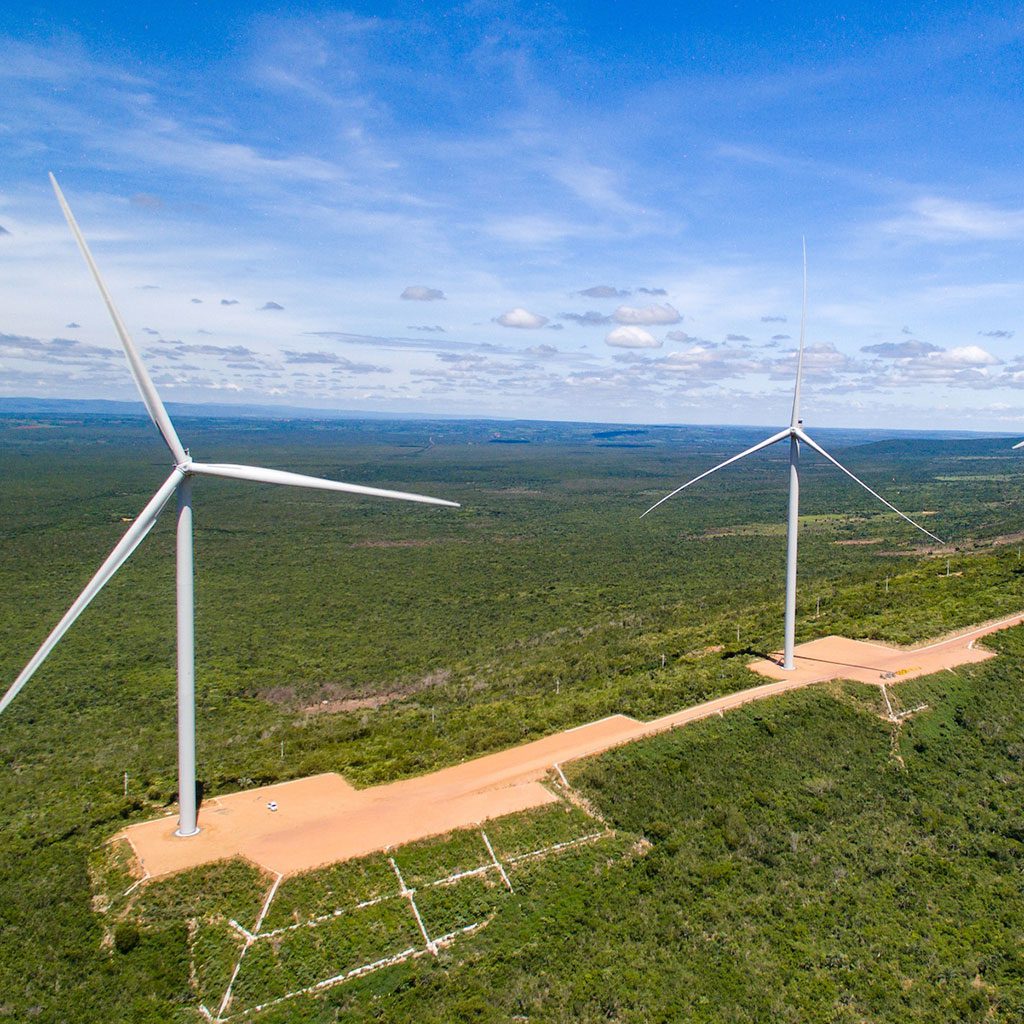
The Dumat Al Jandal Wind Farm, Saudi Arabia’s first utility-scale wind project with a capacity of 400 MW, was successfully delivered by EDF in partnership with Masdar and Nesma. The project achieved 1.5 million safe man-hours without any Lost Time Injury, reflecting EDF’s commitment to robust safety practices.
Awarded a 20-year PPA with Saudi Power Procurement Company, the wind farm demonstrates EDF’s capability to deliver technically advanced, economically competitive, and sustainable renewable energy solutions in complex environments, while effectively managing local stakeholder collaboration.
Commercial operations commenced in July 2022, marking a major milestone for renewable energy in Saudi Arabia.